
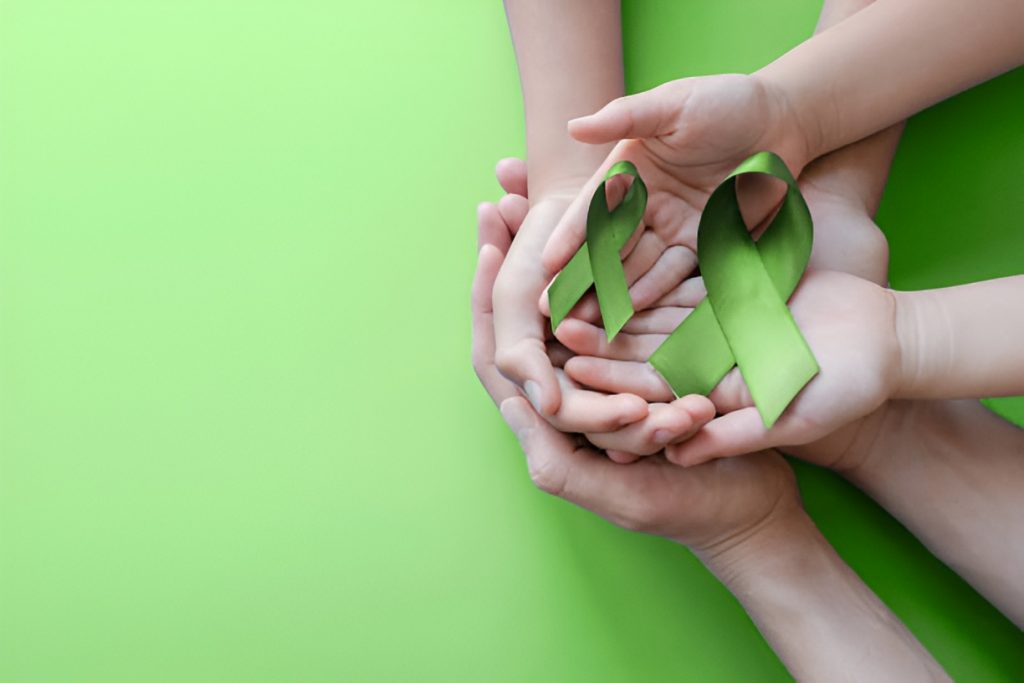
- Mental Health Awareness Month, observed every May, is a critical time for communities to come together, raise awareness, and prioritize mental well-being.
- Hosting workshops, speaker series, and educational programs empowers community members with knowledge and coping strategies while reducing stigma.
- Mindfulness, meditation, fitness, and outdoor activities support both physical and mental health, fostering resilience and emotional balance.
- Creative projects, art, and book clubs provide safe spaces for self-expression, empathy, and community dialogue about mental health.
- Community support networks, volunteer initiatives, and acts of kindness strengthen social connections and cultivate a sense of purpose.
- Family-friendly and youth-focused activities ensure mental health education and engagement across all age groups.
- Celebratory events, festivals, and campaigns amplify awareness, promote inclusivity, and build long-term community pride.
Mental Health Awareness Month is an important time for communities to come together, share resources, and foster well-being. By organizing activities that promote mental health education, connection, and self-care, communities can help reduce stigma, increase awareness, and strengthen bonds among residents. Here are 12 impactful activities your community can implement this Mental Health Awareness Month.
Why Focus on Mental Health Awareness Month Activities?
Mental Health Awareness Month, observed every May, is an important time for communities to come together and prioritize mental well-being. Mental health affects everyone, regardless of age, background, or social status. Communities that actively participate in awareness initiatives create environments where individuals feel supported, understood, and connected. Mental Health Awareness Month activities are more than just events—they are opportunities to educate, empower, and build stronger social connections.
By planning activities that engage different segments of the community, you ensure that everyone—from children and teens to adults and seniors—can benefit from these programs.
1. Host Community Workshops on Mental Health
Workshops are an excellent way to educate community members about mental health, coping strategies, and available resources.
Key steps to organize a workshop:
- Partner with local mental health professionals or organizations.
- Offer workshops on topics such as stress management, coping with anxiety, mindfulness, and recognizing signs of depression.
- Include interactive elements like Q&A sessions, small group activities, and guided exercises.
- Provide handouts, resource lists, and contact information for local support services.
Workshops not only educate but also create spaces for honest conversation, helping break down stigma around mental health.
2. Organize Mindfulness and Meditation Sessions
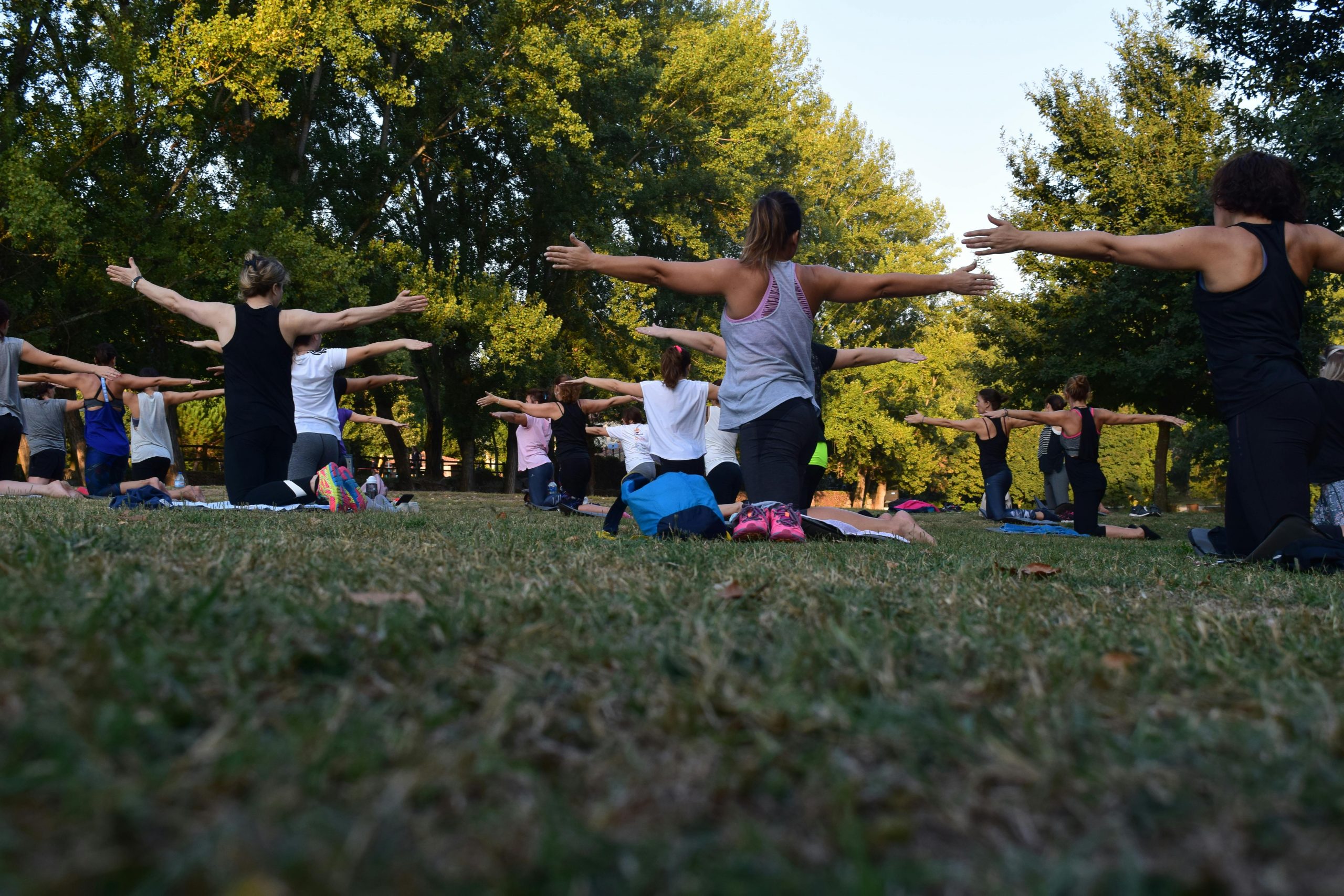
Mindfulness practices and meditation are effective tools for managing stress and promoting emotional resilience.
Ideas for mindfulness activities in the community:
- Morning meditation sessions in parks or community centers.
- Guided yoga classes focusing on stress relief and emotional balance.
- Breathing exercises or short mindfulness breaks during community events.
- Online meditation sessions for those unable to attend in person.
These activities encourage individuals to slow down, focus on the present moment, and build coping skills that last beyond Mental Health Awareness Month.
3. Launch a Community Art Project
Art has a unique ability to convey emotions and foster mental well-being. A community art project can encourage expression, collaboration, and dialogue about mental health.
Ways to implement a community art project:
- Collaborative mural painting with positive mental health messages.
- Art exhibitions featuring local artists’ works focused on mental health themes.
- Creative workshops such as painting, sculpture, or crafts where participants can express emotions.
- Public installations that spark conversation about mental health awareness.
Art-based activities not only support mental health but also beautify shared spaces and strengthen community pride.
4. Host Fitness and Outdoor Wellness Activities
Physical activity is closely linked to improved mental health. Encouraging community members to engage in movement and outdoor experiences can reduce stress, boost mood, and foster connection.
Examples of fitness and wellness activities:
- Community walks, hikes, or runs with a focus on mental health awareness.
- Group exercise classes, such as aerobics, dance, or tai chi, held in public parks.
- Outdoor yoga or stretching sessions designed to relieve stress.
- Wellness challenges that encourage daily activity, hydration, and mindfulness.
By promoting both physical and mental health, these activities offer holistic benefits to community members of all ages.
5. Organize Educational Speaker Series
Speaker series can provide valuable information, inspire action, and highlight real-life stories about mental health challenges and successes.
Tips for creating an effective speaker series:
- Invite mental health professionals, counselors, or local advocates to speak.
- Include panels featuring individuals sharing personal mental health experiences.
- Host sessions on specific topics, such as suicide prevention, workplace mental health, or teen anxiety.
- Allow time for Q&A to engage the audience and address community-specific concerns.
Educational events like these help normalize conversations about mental health and provide actionable tools for community members.
6. Start a Community Support Network
Creating networks where residents can connect, share experiences, and access resources strengthens the overall well-being of a community.
Ideas for support networks:
- Peer support groups for teens, adults, or parents.
- Neighborhood check-ins or “buddy systems” for individuals who may feel isolated.
- Online community groups where members can discuss mental health topics safely.
- Regular meetups that provide emotional support, resource sharing, and social connection.
A support network encourages ongoing engagement, long-term relationships, and mutual assistance among community members.
7. Launch a Mental Health Awareness Campaign
Awareness campaigns are effective in spreading information, reducing stigma, and highlighting resources.
Ways to create a community campaign:
- Social media challenges promoting self-care and mental health facts.
- Distribute informational flyers, posters, or digital materials in public spaces.
- Host community events where attendees can learn about local mental health services.
- Organize a public awareness day with activities like educational booths, interactive games, and resource sharing.
Campaigns help amplify the message that mental health is a priority and that support is available to all.
8. Encourage Volunteer Opportunities and Acts of Kindness
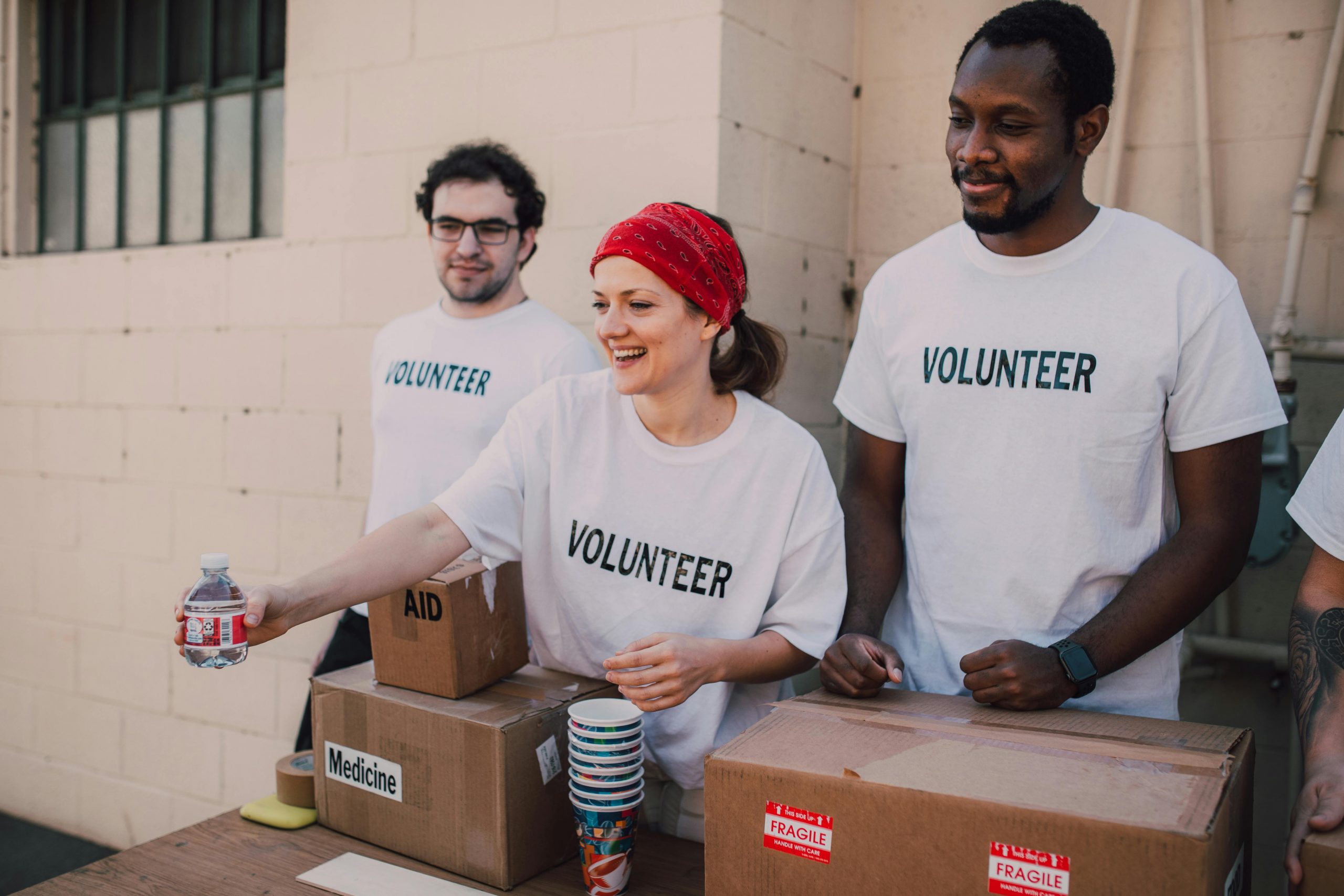
Helping others has a positive impact on mental health, fostering a sense of purpose, connection, and community pride.
Volunteer-based activity ideas:
- Organize community cleanups or beautification projects.
- Partner with local shelters, food banks, or nonprofits to create volunteer days.
- Encourage small acts of kindness like neighborhood outreach or supporting local seniors.
- Create community challenges that track collective volunteer hours or good deeds.
By combining mental health awareness with community service, participants gain both emotional and social benefits.
9. Host Family and Youth-Oriented Activities
Families and young people play a key role in shaping the future of community well-being. Activities tailored for these groups ensure inclusive participation.
Family and youth-focused ideas:
- Family fun days with mental health-themed games and workshops.
- Interactive storytelling or drama sessions exploring emotions and resilience.
- School-based programs encouraging peer support and social-emotional learning.
- Teen-focused support groups or creative projects promoting emotional expression.
Engaging families helps establish healthy mental health habits across generations and fosters understanding within households.
10. Celebrate with Community Events and Festivals
Large community events or festivals can provide both entertainment and educational opportunities, creating a positive atmosphere while raising mental health awareness.
Ideas for community celebrations:
- Mental Health Awareness Month fairs with booths, workshops, and activities.
- Music and art festivals featuring performances that highlight mental health themes.
- Healthy food markets with cooking demonstrations and nutrition tips.
- Recognition events honoring local mental health advocates, volunteers, and organizations.
Celebratory events bring people together, build community pride, and make mental health education accessible in a welcoming environment.
11. Start a Community Gardening or Green Space Project
Spending time in nature and engaging in gardening activities has been shown to reduce stress, improve mood, and promote social interaction. A community gardening project can bring residents together, encourage physical activity, and create a lasting positive impact on the neighborhood.
Ideas for community gardening activities:
- Planting a community vegetable or flower garden.
- Hosting workshops on sustainable gardening and mindful planting.
- Creating “quiet zones” in parks with benches and greenery for relaxation.
- Organizing seasonal garden maintenance days where neighbors work together.
This activity encourages collaboration, physical wellness, and provides a peaceful environment for reflection and stress relief.
12. Launch a Community Mental Health Book Club or Discussion Group
Reading and discussing books about mental health can open dialogue, increase understanding, and reduce stigma. A book club or discussion group gives community members a safe space to explore mental health topics together.
How to run a mental health-focused book club:
- Choose books or articles that cover mental health challenges, coping strategies, or personal stories.
- Host monthly discussion sessions in local libraries, community centers, or online.
- Encourage reflection and sharing of personal experiences in a supportive environment.
- Combine reading with complementary activities, like journaling exercises or mindfulness discussions.
This activity promotes empathy, learning, and strengthens social bonds among community members.
How to Maximize Participation in Mental Health Awareness Month Activities
Ensuring strong community participation is essential for the success of these initiatives. Here are practical tips:
- Promote early and often: Use social media, newsletters, and local media to spread the word.
- Engage local organizations: Partner with schools, libraries, businesses, and nonprofits.
- Offer a variety of activities: Include options for different ages, mobility levels, and interests.
- Make it accessible: Ensure events are free or low-cost, and provide virtual options when possible.
- Gather feedback: Ask participants for input on future events and preferred formats.
By thoughtfully promoting and organizing activities, communities can achieve higher engagement and lasting impact.
Measuring the Impact of Mental Health Awareness Month Activities
It’s important to assess the effectiveness of activities to guide future planning. Consider tracking:
- Attendance and participation rates.
- Engagement on social media or digital platforms.
- Feedback from participants through surveys or interviews.
- Number of resources distributed or referrals to local mental health services.
- Follow-up activities initiated as a result of awareness programs.
Measuring impact ensures that the community continues to improve programs and better serve its members.
Conclusion: Building a Healthier, More Connected Community
Mental Health Awareness Month is more than a single event—it’s an opportunity to create lasting change in communities. By implementing diverse activities such as workshops, wellness sessions, creative projects, educational talks, and volunteer initiatives, communities can strengthen mental health, reduce stigma, and foster connection.
Communities that actively participate in these activities not only support individual well-being but also cultivate an environment where everyone feels valued, understood, and connected. This Mental Health Awareness Month, take the initiative to bring your community together and prioritize mental health for a stronger, healthier future.