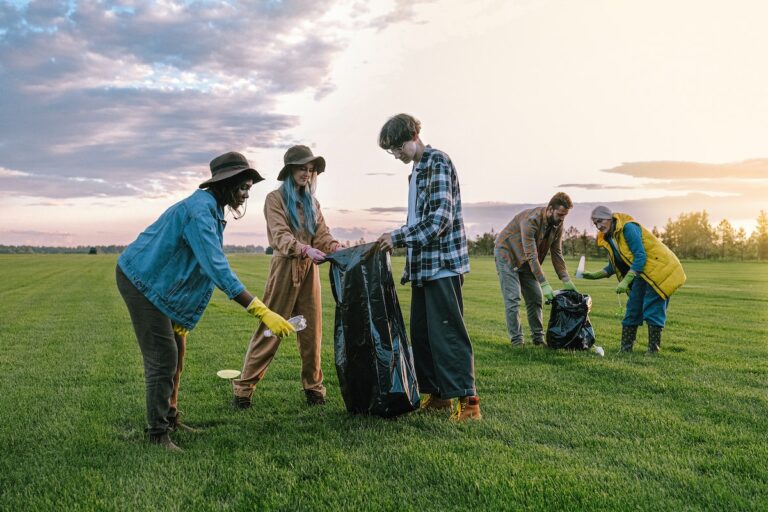
- Storytelling connects communities and humanizes mental health: Cultural storytelling events allow participants to share experiences, express emotions, and create empathy across diverse groups.
- Workshops provide hands-on tools for emotional expression: Activities like art therapy, mindfulness, and music or dance therapy help participants practice coping strategies in a culturally relevant way.
- Panel discussions reduce stigma and educate effectively: Bringing together culturally competent professionals and community leaders encourages open conversations and addresses specific challenges.
- Festivals can integrate mental health awareness naturally: Cultural celebrations with informational booths, mini-workshops, and wellness activities reach a broad audience while keeping engagement fun and familiar.
- Film screenings spark dialogue and understanding: Showing culturally relevant films followed by discussion sessions fosters empathy, reflection, and shared experiences around mental health.
- Support groups build ongoing connections: Structured, culturally sensitive support groups offer safe spaces for sharing, learning coping strategies, and creating a sense of belonging.
- Inclusive planning is key to success: Ensuring language accessibility, cultural sensitivity, community collaboration, and flexible formats helps events resonate with diverse populations and maximize impact.
Mental health is a universal concern, but addressing it in culturally diverse communities requires thoughtfulness, sensitivity, and inclusivity. By organizing events that reflect the needs and values of diverse populations, communities can foster understanding, reduce stigma, and encourage people to seek help when needed. Here are six mental health awareness event ideas designed to resonate with culturally diverse communities.
1. Can Cultural Storytelling Promote Mental Wellness?
Storytelling is a powerful tool that allows people to share experiences, express emotions, and create connections. Cultural storytelling events can help participants explore mental health topics in relatable ways.
How to organize a storytelling event:
- Invite community members to share personal mental health experiences or stories passed down through generations that relate to emotional well-being.
- Include traditional storytelling methods, such as oral narratives, music, or performance arts that reflect cultural heritage.
- Encourage a safe space by setting guidelines for respect, confidentiality, and support.
- Collaborate with local cultural centers or community leaders to ensure inclusivity.
Storytelling not only educates but also humanizes mental health challenges, helping people see that they are not alone in their struggles.
2. How Can Cultural Workshops Encourage Emotional Expression?
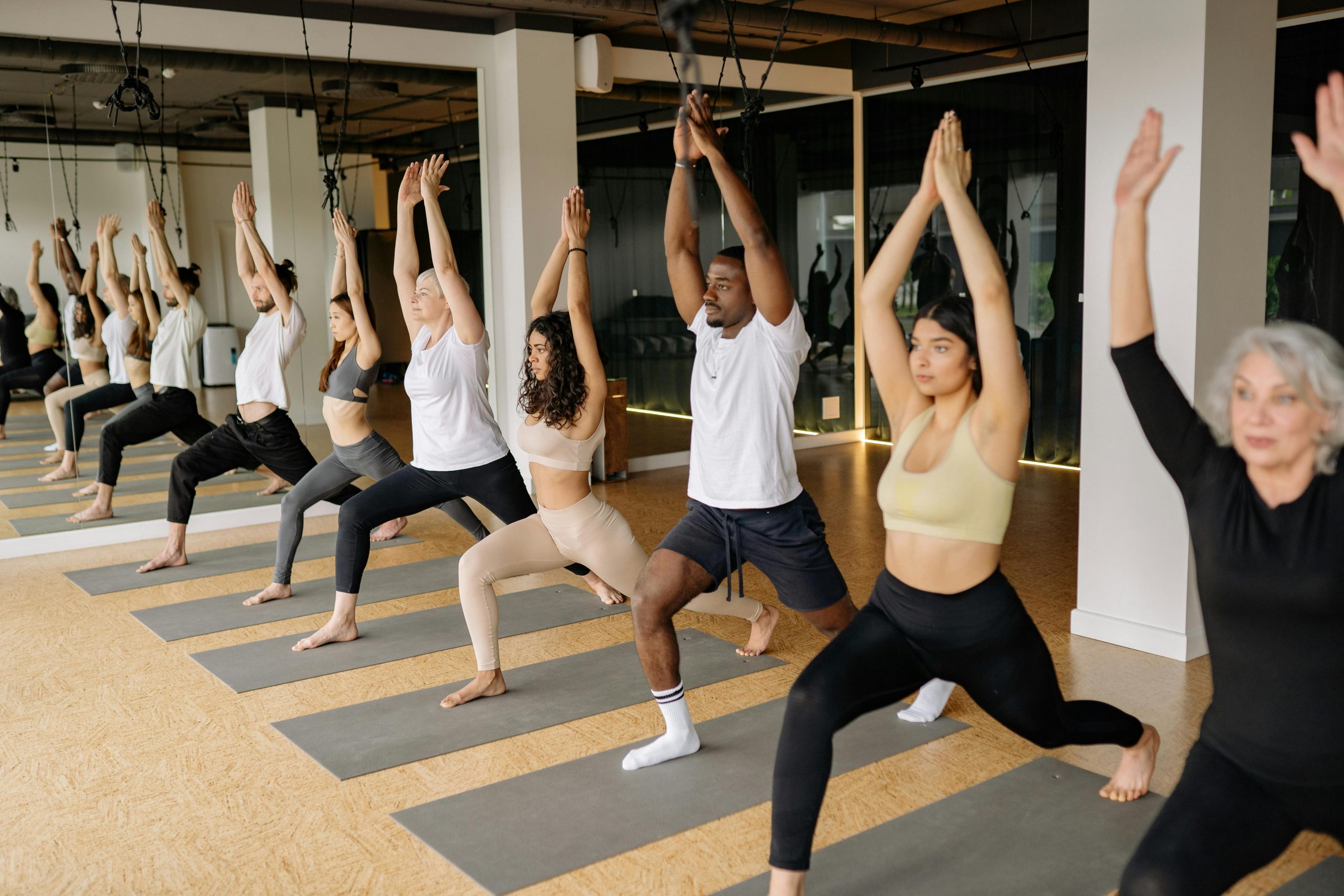
Workshops focused on culturally relevant practices can provide practical tools for managing stress and promoting mental health. These events can incorporate art, meditation, or movement, offering participants a hands-on experience.
Workshop ideas include:
- Art Therapy: Participants can use painting, sculpture, or craftwork to express emotions. Encourage using cultural symbols and materials.
- Mindfulness and Meditation: Incorporate culturally familiar practices such as guided meditation, Tai Chi, or traditional breathing exercises.
- Music and Dance Therapy: Traditional music and dance can help release tension and encourage emotional expression in a culturally comfortable way.
Workshops and creative sessions are popular Mental Health Awareness Month activities that allow participants to learn practical coping strategies. They offer a safe environment for learning and practicing mental health strategies while celebrating cultural identity.
3. Can Panel Discussions Help Break Mental Health Stigma?
Panel discussions can provide education and encourage open conversations about mental health in culturally diverse communities. Bringing together professionals and community members helps dispel myths and provide resources.
Tips for hosting effective panels:
- Include mental health professionals who are culturally competent or share the community’s background.
- Feature community leaders or advocates who can speak authentically about the intersection of culture and mental health.
- Encourage audience questions to ensure the discussion addresses local concerns.
- Highlight culturally specific challenges, such as language barriers or stigma, and suggest practical solutions.
These discussions can normalize conversations about mental health while offering real-world guidance and support.
4. How Can Cultural Festivals Include Mental Health Awareness?
Community festivals are familiar, celebratory spaces where people gather. Integrating mental health awareness into these events allows communities to educate attendees without creating a separate, potentially intimidating environment.
Ways to integrate mental health into festivals:
- Set up informational booths with multilingual materials and culturally sensitive mental health resources.
- Offer mini-workshops, such as stress-relief activities or mindfulness sessions, as part of the festival schedule.
- Invite local performers to address mental health themes through music, dance, or theater.
- Organize wellness challenges or competitions that highlight physical and mental well-being.
By merging mental health awareness with cultural celebration, communities can reach a wider audience and create meaningful impact.
5. Can Film Screenings Spark Important Conversations?
Films and documentaries are engaging ways to explore mental health topics, especially when they reflect cultural experiences and challenges. Hosting a screening can educate, inspire dialogue, and connect people.
Steps for organizing a film screening:
- Select films that depict mental health issues in culturally relevant contexts.
- Include a discussion session after the screening with mental health professionals or community leaders.
- Offer multilingual subtitles or translations to ensure accessibility.
- Encourage community members to share their reflections, fostering empathy and understanding.
Film screenings provide a shared experience that encourages discussion and helps reduce isolation around mental health issues.
6. How Can Support Groups Build Lasting Connections?
Support groups provide a safe, structured space for people to share experiences, learn coping strategies, and develop supportive relationships. For culturally diverse communities, these groups can be adapted to reflect cultural norms and values.
Guidelines for culturally sensitive support groups:
- Create groups based on language, cultural background, or shared experiences.
- Train facilitators to be culturally aware and knowledgeable about relevant mental health practices.
- Set clear guidelines for confidentiality and mutual respect.
- Incorporate culturally relevant coping strategies, such as traditional rituals, prayer, or community-based practices.
Support groups can become a cornerstone for mental health awareness, offering ongoing encouragement and a sense of belonging.
Tips for Making Events Inclusive and Effective
When planning mental health awareness events for culturally diverse communities, consider the following:
- Language Accessibility: Provide translations, interpreters, or multilingual materials.
- Community Collaboration: Work with local organizations, leaders, and cultural centers.
- Flexible Formats: Combine in-person, virtual, and hybrid options to reach more participants.
- Cultural Sensitivity: Understand customs, beliefs, and potential barriers to participation.
- Promotional Outreach: Use culturally relevant channels to ensure your message reaches the intended audience.
Inclusive events build trust and foster genuine engagement, ensuring that mental health awareness is meaningful for everyone in the community.
Why Focus on Culturally Diverse Communities?
Cultural background significantly shapes how individuals perceive, experience, and address mental health. People from diverse communities may face stigma, language barriers, or limited access to culturally competent care. Tailored events can help:
- Normalize mental health conversations.
- Educate community members on available resources.
- Build strong support networks that reflect cultural values.
- Encourage early intervention and self-care practices.
By creating culturally relevant mental health awareness events, communities can bridge gaps and make mental health resources more accessible to everyone.
Final Thoughts
Mental health awareness is essential for all communities, but culturally diverse communities require thoughtful, inclusive approaches. From storytelling and workshops to festivals, film screenings, panels, and support groups, these six mental health awareness event ideas provide practical ways to engage, educate, and empower community members.
By celebrating cultural identity while promoting emotional well-being, communities can create a lasting positive impact and help individuals feel seen, heard, and supported. Organizers who embrace inclusivity and collaboration will not only raise awareness but also strengthen the community as a whole.