
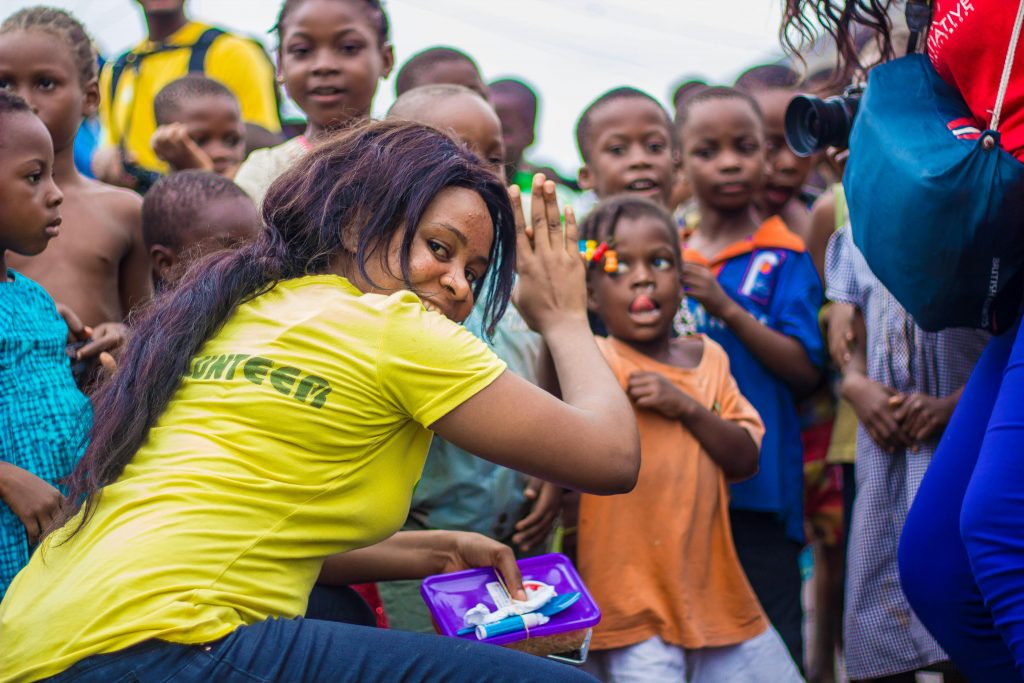
Community outreach is one of the most effective ways to connect with people, provide support, and create positive change. Whether led by nonprofits, schools, businesses, or local groups, outreach programs help bring resources and services directly to those who need them most.
But what exactly is community outreach, and how can organizations and volunteers make it successful?
In this guide, we’ll break down what community outreach means, why it matters, and how both organizations and volunteers can get involved in meaningful ways.
What Is Community Outreach?
Community outreach is the process of reaching out to people in a community to provide support, services, education, or resources. The goal is to connect with individuals—especially those who may not have easy access to help—and improve their quality of life.
Unlike programs that wait for people to come to them, outreach efforts go directly into the community. This can happen through events, home visits, workshops, or partnerships with local groups.
Common examples of community outreach:
- Health awareness campaigns
- Food distribution programs
- Educational workshops
- Youth mentoring programs
- Disaster relief efforts
Community outreach focuses on meeting people where they are and understanding their needs.
Why Community Outreach Is Important
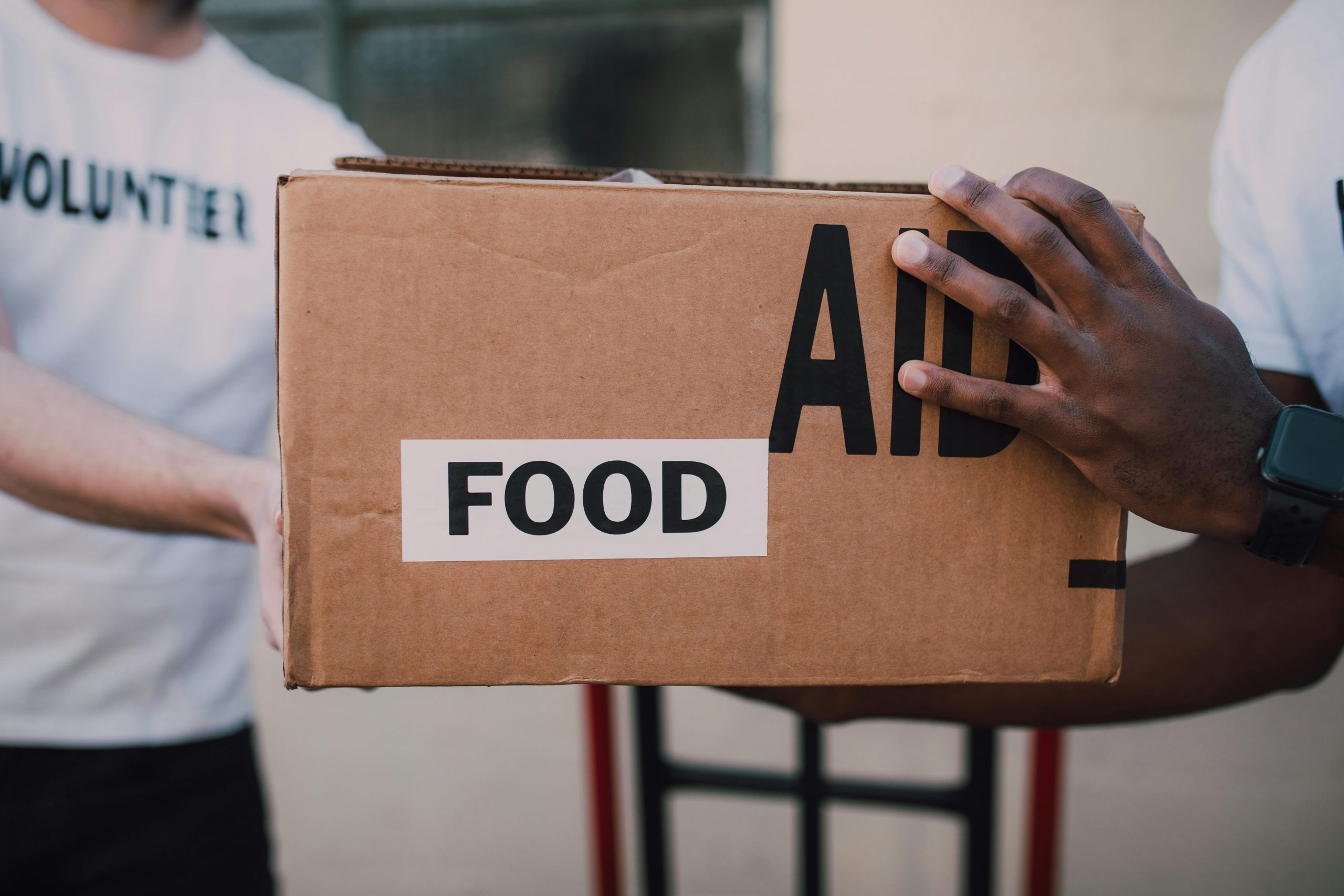
Community outreach plays a key role in building stronger and more supportive communities.
Many individuals face barriers such as lack of access, information, or resources. Outreach helps bridge these gaps and ensures that support reaches those who need it most.
Benefits of community outreach:
- Improves access to essential services
- Builds trust between organizations and communities
- Raises awareness about important issues
- Encourages community involvement
- Promotes equality and inclusion
By reaching out directly, organizations can make a bigger and more lasting impact.
Community Outreach vs. Community Service
Community outreach and volunteer work are closely related, but they are not exactly the same.
If you’ve ever wondered what is community service, it generally refers to volunteer activities that help improve a community, such as cleaning parks or assisting at shelters.
Community outreach, on the other hand, is more focused on actively connecting with people and delivering services or information directly to them.
Key difference:
- Community service: Volunteering to help the community
- Community outreach: Actively reaching out to provide support and resources
Both are important and often work together to create positive change.
Types of Community Outreach Programs
There are many different types of outreach programs, depending on the needs of the community.
Common types include:
1. Educational Outreach
Programs that provide learning opportunities, such as tutoring, workshops, or literacy programs.
2. Health Outreach
Efforts focused on improving health, such as free check-ups, vaccination drives, or wellness campaigns.
3. Social Outreach
Programs that support vulnerable groups, including food drives, housing assistance, and counseling services.
4. Environmental Outreach
Activities that promote environmental awareness, such as clean-up drives or tree planting.
Each type of outreach addresses specific community needs and contributes to overall development.
How Organizations Can Plan Effective Outreach
Successful community outreach requires careful planning and a clear understanding of the community’s needs.
Steps to plan an outreach program:
1. Identify Community Needs
Start by understanding what the community needs most. This can be done through surveys, meetings, or research.
2. Set Clear Goals
Define what you want to achieve. Clear goals help guide your efforts and measure success.
3. Build Partnerships
Work with local organizations, schools, or leaders to expand your reach and resources.
4. Develop a Plan
Create a step-by-step plan that includes timelines, resources, and responsibilities.
5. Promote the Program
Use social media, flyers, or word of mouth to spread awareness about your outreach efforts.
Planning ensures that your outreach is organized and effective.
The Role of Volunteers in Community Outreach
Volunteers are the heart of most outreach programs. Without their time, energy, and dedication, many initiatives would not be possible. They help turn plans into action by supporting day-to-day activities and connecting directly with the people being served.
Volunteers often serve as the bridge between organizations and the community. Their presence helps build trust, create meaningful interactions, and ensure that outreach efforts feel welcoming and accessible. Whether they are working behind the scenes or engaging face-to-face, their contributions make a real difference.
What volunteers can do:
- Assist with events, workshops, and outreach activities
- Distribute resources such as food, supplies, or information
- Provide support and guidance to individuals in need
- Help organize, plan, and prepare outreach programs
- Assist with communication and community engagement
Volunteers also bring fresh ideas and perspectives, which can improve how programs are delivered. Their enthusiasm can inspire others to get involved and support the cause.
Volunteering in outreach programs is not only helpful for the community but also beneficial for the volunteers themselves. It’s a great way to learn new skills, build confidence, meet new people, and make a meaningful impact.
Skills Needed for Community Outreach
While you don’t need special qualifications to get involved, certain skills can help make outreach efforts more effective. These skills allow you to connect with people, understand their needs, and work with others to create meaningful solutions. The good news is that many of these skills can be developed over time through experience.
Community outreach often involves working with different types of people, so being flexible and open-minded is important. Strong interpersonal skills can help you build trust and create positive relationships within the community.
Important skills:
- Communication and listening: Clearly sharing information and actively listening to others’ concerns
- Teamwork and collaboration: Working well with volunteers, organizations, and community members
- Problem-solving: Finding practical solutions to challenges that may arise
- Empathy and understanding: Being sensitive to the needs and experiences of others
- Organization and planning: Managing tasks, schedules, and resources effectively
These skills help you connect with people and respond to their needs in a thoughtful and respectful way. They also make outreach efforts more organized and impactful.
As you gain more experience, these skills will continue to improve, helping you become more confident and effective in your role.
Challenges in Community Outreach
Community outreach can be rewarding, but it also comes with challenges.
Common challenges:
- Limited resources or funding
- Difficulty reaching certain groups
- Lack of awareness or participation
- Cultural or language barriers
How to overcome them:
- Build strong community relationships
- Be flexible and adaptable
- Use clear and inclusive communication
Understanding these challenges can help organizations prepare and respond effectively.
Tips for Successful Community Outreach
Whether you’re an organization or a volunteer, these tips can help you make your outreach efforts more successful. Effective outreach is not just about providing services—it’s about building trust, understanding real needs, and creating meaningful connections with the community.
Successful programs take time and consistency. The more effort you put into understanding and supporting people, the more positive and lasting your impact will be.
Tips:
- Listen to the community’s needs: Take time to understand what people truly need instead of making assumptions
- Be respectful and inclusive: Treat everyone with dignity and ensure your programs are welcoming to all
- Stay consistent with your efforts: Regular outreach builds trust and shows commitment
- Evaluate and improve your programs: Gather feedback and make changes to better serve the community
- Celebrate small successes: Recognize progress, even if it’s small, to stay motivated and inspired
It’s also important to communicate clearly and work closely with others involved in the program. Strong teamwork and open communication can improve results and create a more positive experience for everyone.
Consistency and genuine care are key to building trust and making a lasting impact. When people feel valued and heard, they are more likely to engage and benefit from outreach efforts.
Measuring the Impact of Outreach Programs
To understand if your outreach is effective, it’s important to measure its impact.
Ways to measure success:
- Number of people reached
- Feedback from participants
- Improvements in community conditions
- Achievement of program goals
Tracking results helps you improve future efforts and show the value of your work.
How to Get Involved in Community Outreach
Getting involved in community outreach is easier than you might think.
Ways to participate:
- Volunteer with local organizations
- Join community events or programs
- Start your own outreach initiative
- Partner with others who share your goals
Every effort counts, no matter how small.
The Long-Term Impact of Community Outreach
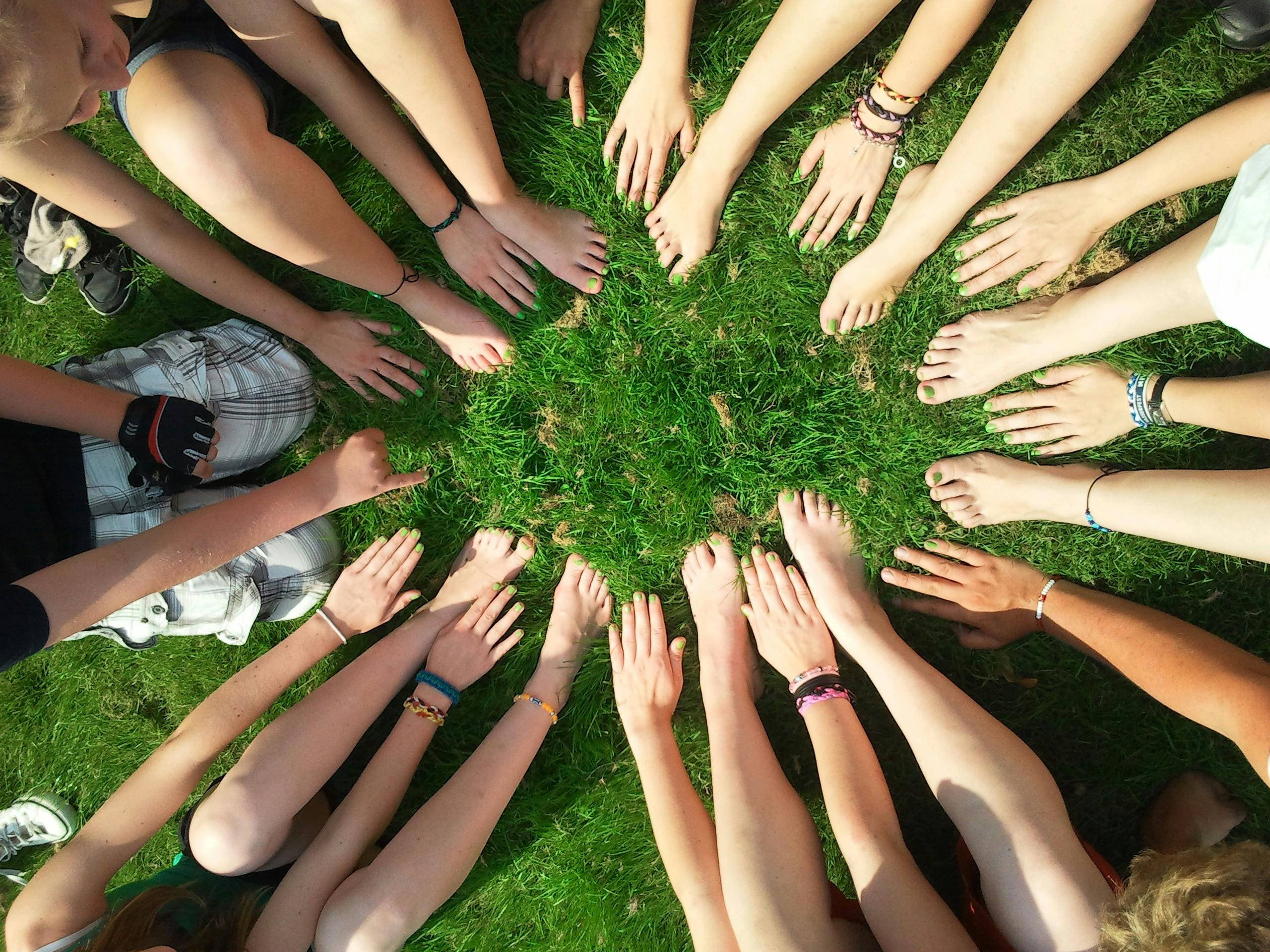
Community outreach creates lasting change that goes beyond immediate results.
Over time, it can:
- Strengthen communities
- Improve quality of life
- Encourage more people to get involved
- Build a culture of support and cooperation
When outreach becomes a regular part of a community, it leads to stronger connections and better opportunities for everyone.
Final Thoughts
Community outreach is a powerful way to connect, support, and uplift communities. It brings people together, addresses important needs, and creates lasting positive change.
Whether you’re part of an organization or an individual volunteer, your efforts can make a real difference. By understanding the needs of your community and working together, you can help build a stronger and more supportive environment for everyone.
Getting involved in community outreach is not just about helping others—it’s about creating a better future for all.