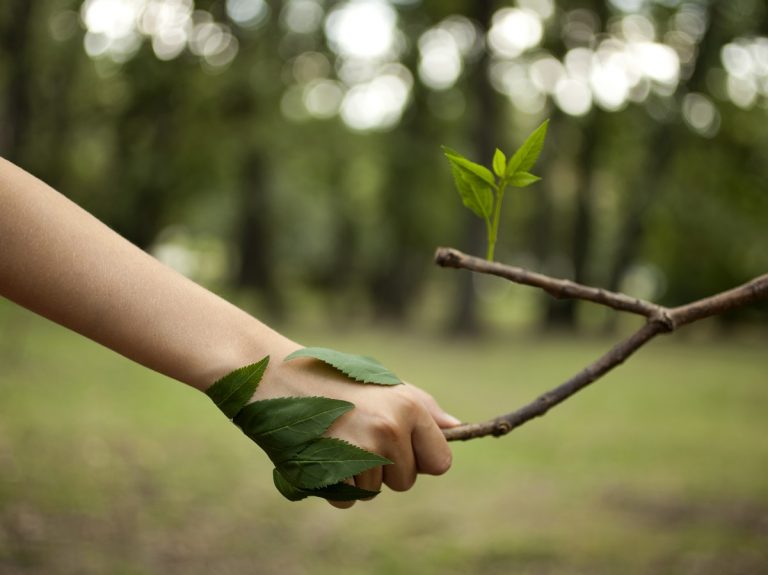
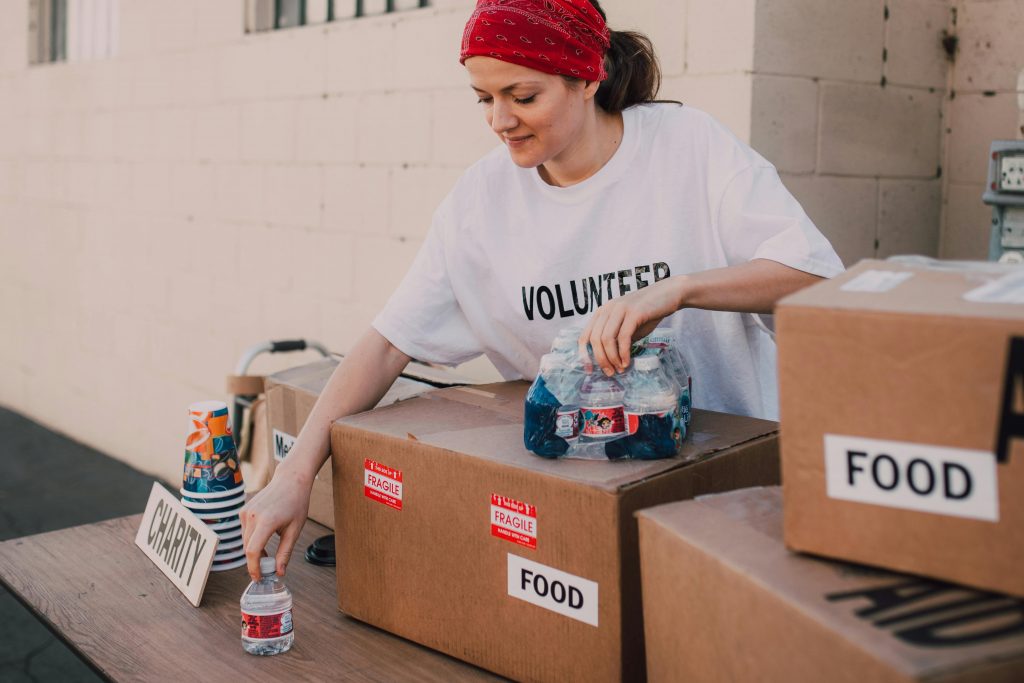
Community service is a simple idea with a powerful impact. It involves people giving their time and effort to help others and improve their communities—without expecting payment in return.
From helping at local shelters to cleaning public spaces, community service plays an important role in building stronger, healthier communities. It also offers many personal benefits for those who choose to take part.
In this article, we’ll explore what community service is, why it matters, and how it benefits both individuals and society.
What Is Community Service?
Community service is volunteer work done to support and improve a community. It can take many forms, depending on the needs of the area and the interests of the people involved.
Unlike paid work, community service is done freely. People volunteer because they want to make a difference, help others, or give back to their community.
Common examples of community service:
- Volunteering at food banks or shelters
- Cleaning parks, beaches, or streets
- Helping elderly or disabled individuals
- Tutoring students or mentoring youth
- Participating in charity events or fundraisers
Community service can be done individually or as part of a group, such as a school, organization, or workplace.
Why Community Service Matters
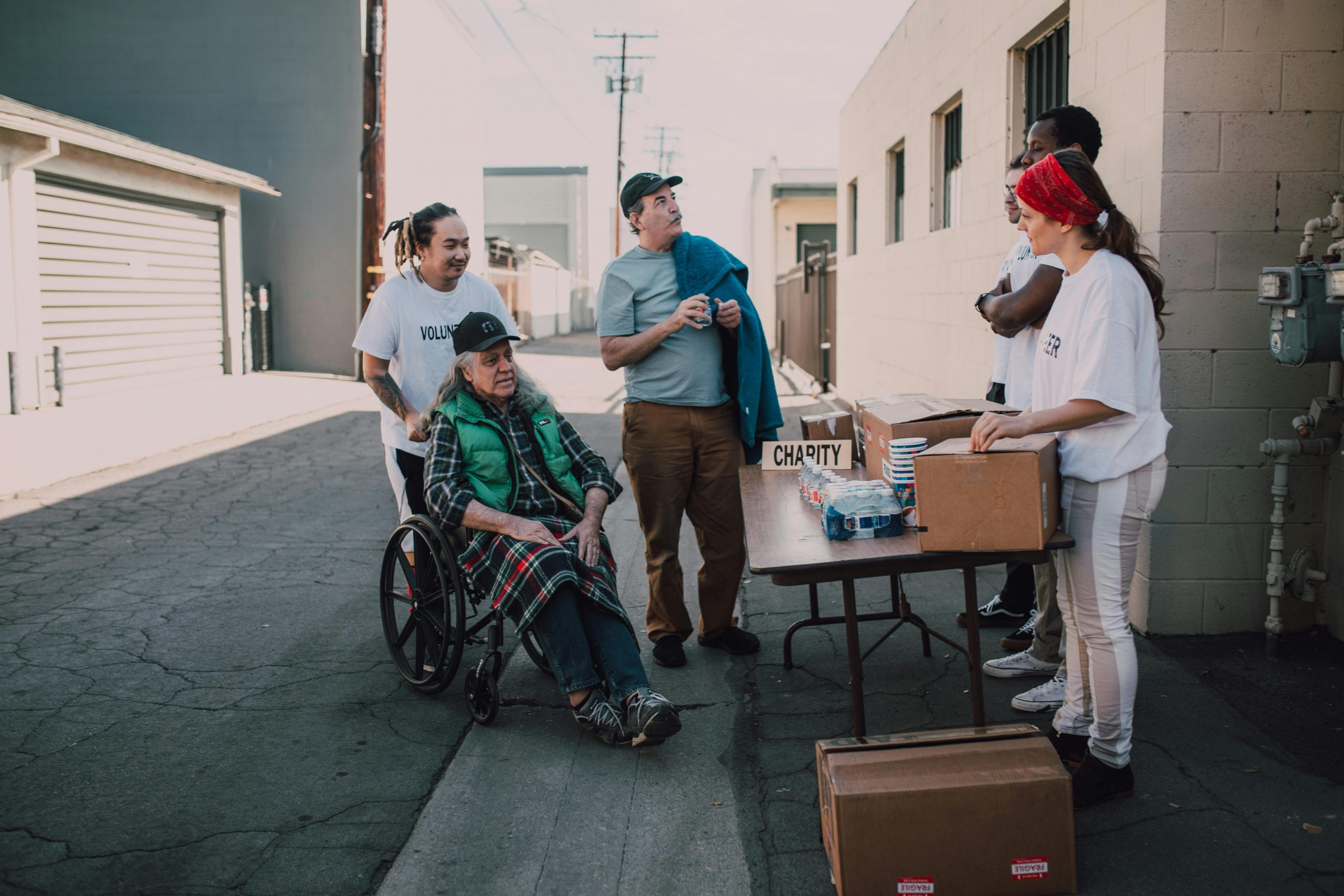
Community service helps meet important needs that may not always be addressed by governments or businesses. It fills gaps and provides support where it is needed most.
When people come together to help their community, they create positive change that benefits everyone.
Why it’s important:
- Supports vulnerable groups
- Improves local environments
- Strengthens community connections
- Encourages teamwork and cooperation
Even small acts of service can have a lasting impact.
Benefits of Community Service for Individuals
While community service helps others, it also offers many personal benefits.
1. Builds Skills
Volunteering allows you to develop useful skills that can help in school, work, and daily life.
Examples:
- Communication and teamwork
- Leadership and problem-solving
- Time management and organization
These skills can be valuable in both personal and professional settings.
2. Boosts Confidence
Helping others can give you a sense of purpose and achievement. Seeing the results of your efforts can increase your confidence and self-esteem.
When you know you’ve made a difference, it can make you feel more capable and motivated.
3. Improves Mental Well-Being
Community service can have a positive effect on your mental health.
Helping others often leads to feelings of happiness and fulfillment. It can also reduce stress and create a sense of connection.
4. Expands Social Connections
Volunteering introduces you to new people who share similar values.
Benefits:
- Build friendships
- Strengthen social skills
- Feel more connected to your community
These connections can lead to lasting relationships.
5. Enhances Career Opportunities
Community service can also support your career growth.
How it helps:
- Adds experience to your resume
- Shows initiative and responsibility
- Helps you explore different interests
Employers often value volunteer experience because it shows dedication and a willingness to help others.
Benefits of Community Service for Society
Community service doesn’t just help individuals—it also strengthens entire communities.
1. Supports Those in Need
Volunteers often assist people who may not have access to enough resources or support.
This includes:
- Low-income families
- Elderly individuals
- People with disabilities
Community service helps improve their quality of life.
2. Improves the Environment
Many community service projects focus on environmental care.
Examples:
- Cleaning parks and public spaces
- Planting trees
- Promoting recycling
These efforts help create cleaner and healthier surroundings.
3. Builds Stronger Communities
When people work together, they build trust and a sense of belonging.
Community service encourages cooperation and unity, which leads to stronger and more supportive communities.
4. Encourages Civic Responsibility
Community service teaches people the importance of being active members of society.
It encourages individuals to:
- Take responsibility for their community
- Stay informed about local issues
- Contribute to positive change
This helps create more engaged and responsible citizens.
Types of Community Service
There are many different types of community service, allowing people to choose activities that match their interests.
Common types include:
- Environmental service: Clean-ups, tree planting, conservation
- Social service: Helping shelters, food banks, or community centers
- Educational service: Tutoring, mentoring, or teaching skills
- Health service: Assisting in clinics or promoting wellness programs
This variety makes it easier for everyone to get involved.
How to Get Started With Community Service
Getting involved in community service is easier than you might think. You don’t need special skills or a lot of free time to begin. What matters most is your willingness to help and take the first step. There are many opportunities available, and you can choose one that fits your interests, schedule, and abilities.
Starting small is often the best approach. Once you get comfortable, you can take on more responsibilities or explore different types of volunteer work.
Steps to begin:
- Identify causes you care about, such as education, the environment, or helping those in need
- Look for local organizations, events, or programs that match your interests
- Start with small, manageable commitments, like a few hours a week or month
- Invite friends or family to join so the experience feels more enjoyable and meaningful
- Ask around in your community for opportunities that may not be widely advertised
You can also check schools, community centers, religious groups, or online platforms for volunteer opportunities. Many organizations regularly post events and programs where volunteers are needed.
It’s important to choose something you genuinely care about. This will make the experience more rewarding and encourage you to stay involved.
Over time, community service can become a regular part of your routine, helping you build connections while making a positive impact in your community.
Tips for Making the Most of Your Experience

To get the most out of community service, it’s important to stay committed and engaged. Volunteering isn’t just about showing up—it’s about being present, learning from the experience, and making a meaningful contribution. When you approach it with the right mindset, it becomes more rewarding for both you and the people you’re helping.
Being consistent and positive can also help you build stronger connections with others and gain more from each opportunity.
Tips:
- Be reliable and show up on time, as organizations often depend on volunteers
- Stay open to learning new things and trying different tasks
- Work well with others and communicate clearly
- Take initiative when possible and offer help where it’s needed
- Reflect on your experiences to understand what you’ve learned
It’s also helpful to set personal goals. For example, you might want to improve a certain skill or learn more about a specific cause. This gives your experience more purpose and direction.
Don’t be afraid to ask questions or seek feedback. This shows that you’re engaged and willing to grow.
The more effort and care you put into your community service, the more meaningful and fulfilling it will be—not just for others, but for you as well.
Common Misconceptions About Community Service
Some people hesitate to volunteer because of common misconceptions.
1. “I don’t have enough time”
Even a few hours can make a difference.
2. “I don’t have the right skills”
Many opportunities don’t require special skills—just a willingness to help.
3. “It won’t make a big impact”
Small actions can lead to meaningful change over time.
Understanding these points can encourage more people to get involved.
The Long-Term Impact of Community Service
Community service creates lasting benefits that go beyond immediate results. While the impact may seem small at first, consistent efforts over time can lead to meaningful and lasting change in both individuals and communities. It’s not just about one event or one act of kindness—it’s about building habits that shape a better future.
As more people get involved, the positive effects begin to grow and spread. Communities become stronger, more connected, and better equipped to handle challenges together.
Over time, it can:
- Improve community conditions by addressing ongoing needs and challenges
- Strengthen relationships among neighbors, volunteers, and organizations
- Inspire others to volunteer and contribute in their own way
- Build trust and cooperation within the community
- Create more opportunities for growth and development
Long-term involvement in community service can also shape personal values. It encourages empathy, responsibility, and a deeper understanding of social issues.
When people continue to give their time and effort, they help create a ripple effect—where one act of service encourages another. Over time, this leads to a stronger sense of unity and shared purpose.
It also helps create a culture of kindness and cooperation, where helping others becomes a normal and valued part of everyday life.
Final Thoughts
Community service is a powerful way to make a difference in the world around you. It helps individuals grow while also improving the lives of others and strengthening communities.
Whether you volunteer a few hours or commit long-term, your efforts matter. Every action, no matter how small, contributes to a better and more connected society.
By getting involved in community service, you not only help others—you also become part of something bigger.